Every few months I get an email from a couple I photographed years ago. Not about the album, not about a print order. About one photo.
It's never the one they expected. It's not the golden-hour portrait at the stone bridge or the sparkler exit. It's their dad laughing in the hallway with his tie undone. It's a grandmother, seated, holding the bride's hand during a speech. It's the two of them in the car, driving away, caught through the window in a half-second nobody planned.
I've photographed more than 750 weddings in New Jersey, New York and Pennsylvania. Here's what I've learned about which photos last, and how to make sure yours exist.
The Photos You Plan Are the Floor, Not the Ceiling
Let me say this clearly: plan your portraits. Build the family list. Pick a spot for golden hour. Those photos are the record of the day, and you'll be glad to have them. Twelve good family groupings in twenty minutes is one of the most useful things a photographer does.
But the record is not the story.
The photos that stop you in twenty years are the ones that show who people were. Your mom fixing your veil with the exact expression she had when she fixed your collar for school pictures. Your best friend, mid-laugh, who moved to Denver three years later. The way your partner looked at you when they thought nobody was watching.
You can't schedule those. You can only make room for them.
What Couples Come Back To, in Order
I've paid attention to this for years. When couples reach out about a single photo, it's almost always one of these:
1. A parent or grandparent, unposed. This is first by a wide margin. Not the formal portrait, though you need that too. The candid one. Your father walking you toward the ceremony, looking straight ahead because he knows if he looks at you he'll lose it. Your grandmother clapping during the first dance. These are the photos that get texted around the family when someone passes, and they're the ones that get framed in the hallway, not the living room.
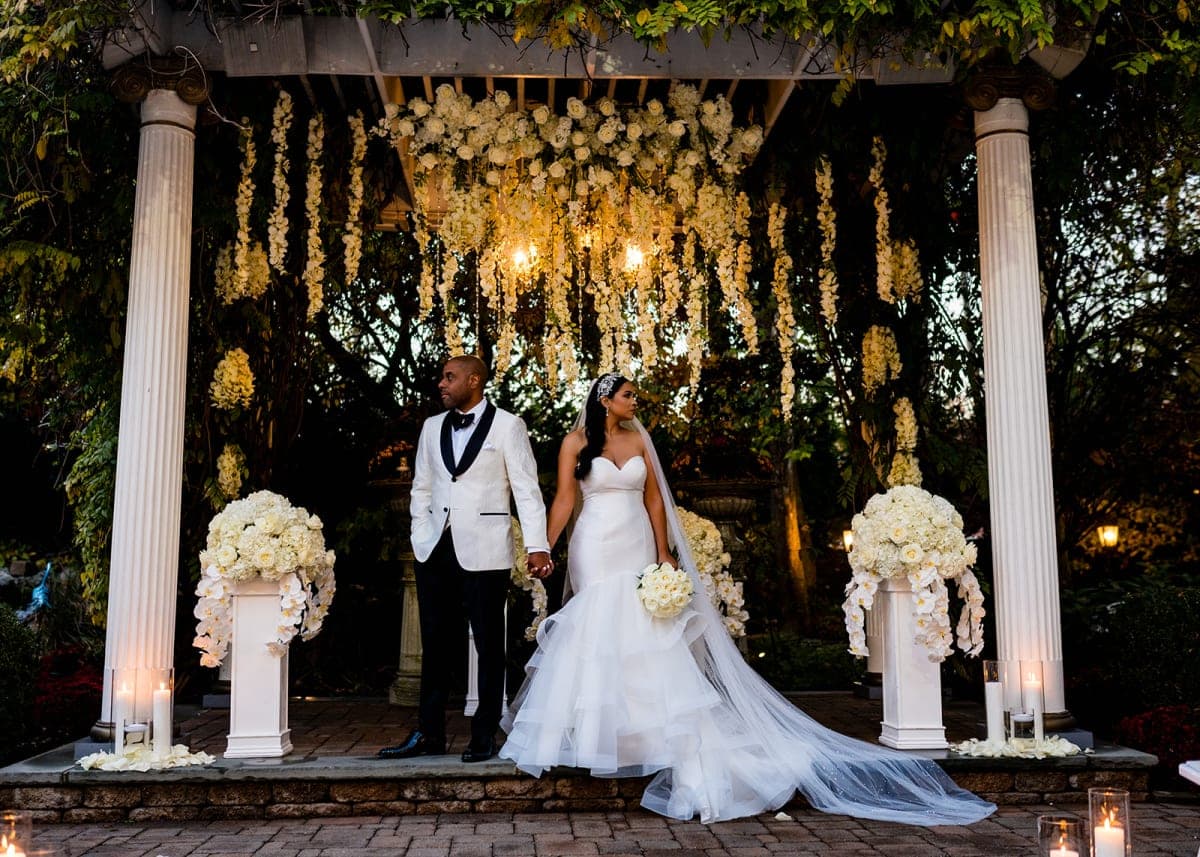
2. The two of you, not performing. The first look if you did one. The moment right after the ceremony when you're walking back up the aisle and the relief hits. A quiet minute on the terrace at Perona Farms while the guests are still inside. Couples rarely request these. They always keep them.
3. The room, full of your people. A wide frame of the reception at the moment the dance floor fills. Twenty years from now you'll study it the way you'd study a yearbook. Everyone who showed up for you, in one photo, at the exact age they were.
4. The ordinary details of your life right then. The car you drove. The phone case. The friend's haircut. The hotel room with all your stuff thrown around. Nobody thinks these matter. In twenty years they're a time machine.
5. Then, and only then, the big portraits. You'll love them. They'll hang in the living room. They're also the photos that look most like everyone else's wedding, because they're the ones every photographer is trained to make. They matter. They're just not what you'll cry over.
How to Make Sure Those Photos Exist
Give the day room to breathe
The number one thing that kills candid photos isn't a bad photographer. It's a timeline with no slack. When every minute is scheduled, I'm moving people, not watching them. Thirty minutes of nothing on your wedding timeline is where the best photos live. Build it in on purpose.
Tell me who matters
Before the wedding, tell me about the people. Not the list, the stories. That your grandfather hasn't danced since your grandmother died. That your college roommates haven't all been in one room in six years. That your stepdad is quiet but he's the one who paid for this. I can't photograph what I don't know to look for.
Let the formals be fast
The faster the family photos go, the more time everyone spends being themselves instead of standing in a line. A written list and a wrangler get you done in twenty minutes. Then I let people go and I follow them.
Put the phones away during the ceremony
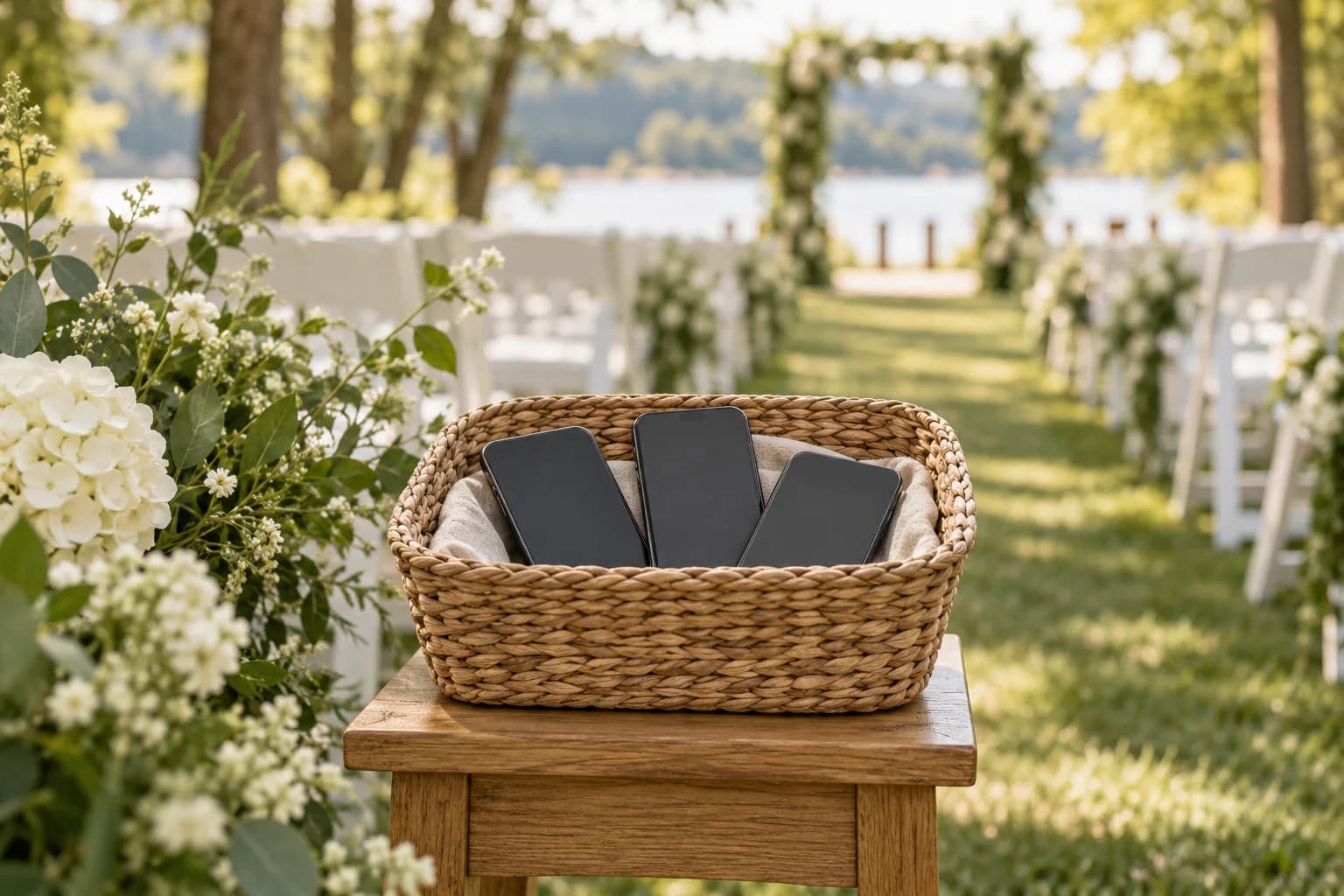
Not for my sake. For yours. An unplugged ceremony means the photo of your grandmother during the vows shows her face, not her iPad. I've lost more irreplaceable moments to a raised phone than to any other single thing.
Don't skip the getting-ready hour
Couples sometimes try to save money by starting coverage at the ceremony. I understand it. But the hour before is where your mother, your sisters, your best friends and your nerves all live in one room. It's where you look most like yourself. If you have to cut hours, cut them from the end, not the beginning.
The One Photo Everyone Forgets
A photo of the two of you with every grandparent who is still here.
Not the big family group. Just you two and them. Seated if they need to sit, wherever they're comfortable, first thing after the ceremony before they're tired. Two minutes.
I bring it up at every planning meeting now, because the number of couples who've written to me years later to say "I wish we'd taken that one" is higher than I can comfortably think about. Put it on your list. Put it first.
What I Do Differently Because of This
After enough of those emails, you change how you work.
I photograph your parents watching you more than I photograph you. I stay through the speeches when I could be shooting details, because the faces at the head table during a father's toast are worth more than any centerpiece. I shoot the walk back up the aisle like it's the most important thirty seconds of the day, because it often is.
And I shoot the quiet edges: the hallway before you walk in, the kitchen door where the caterers watch the first dance, the end of the night when your friends are holding each other up. The parts no one is performing.
It's why I photograph every wedding myself. Not an associate, not a team member. The person who had this conversation with you is the person watching your grandmother during the vows.
Quick Questions
Should we do a shot list?
A short one for family groupings, yes. A long list of candid "moments to capture" usually gets in the way. Tell me the stories instead; the moments follow.
What if our family is complicated?
Then tell me, privately, before the day. Divorced parents, estrangements, the relative who can't be near another relative. I handle it quietly, and nobody is surprised in front of a camera. More on that in the family photo list guide.
Does a second photographer help with candids?
Yes, mostly during the ceremony and getting ready, when two things are happening at once. Here's the honest trade-off.
The Bottom Line
Plan the portraits, then protect the space around them. Tell your photographer who your people are. Take the grandparent photo first. Put the phones away. In twenty years, the photo you reach for will be the one nobody staged, and I'll have been watching for it.
If you want to talk about how your day could breathe a little, check your date. I reply within a day.