I need to tell you something, and I'm going to be blunt about it.
Your Uncle Steve's iPad is going to ruin your wedding photos.
Not might. Not could. Will.
I've been shooting weddings in New Jersey for over 14 years, and I can tell you with absolute certainty that the single biggest thing that has changed in wedding photography isn't cameras, lenses, or editing software. It's the wall of phones and tablets that goes up the second a bride starts walking down the aisle.
And it's killing your photos.
What Actually Happens When Guests Have Their Phones Out
Let me paint you a picture. You've spent months planning this moment. You're about to walk down the aisle toward the person you're going to spend your life with. Your photographer — that's me, or someone like me — is positioned perfectly to capture your partner's face when they see you for the first time.
And then... Aunt Carol leans into the aisle with her phone. Your cousin stands up to get a better angle. Three people in the second row are holding iPads above their heads like they're at a concert.
Here's what your professional photos look like now:
- Your face is blocked by someone's arm holding a phone
- The aisle shot has a sea of glowing screens instead of smiling faces
- Your partner's reaction is obscured by Uncle Steve's iPad Pro (yes, this has actually happened to me — multiple times)
- The lighting is wrecked because phone screens throw off weird color casts
I once shot a ceremony where the mother of the bride was so focused on recording on her phone that she missed her daughter walking past her. I got a beautiful shot of the bride looking at her mom — and her mom looking at a 6-inch screen. That photo will never not make me a little sad.
"But They Just Want to Capture the Moment!"
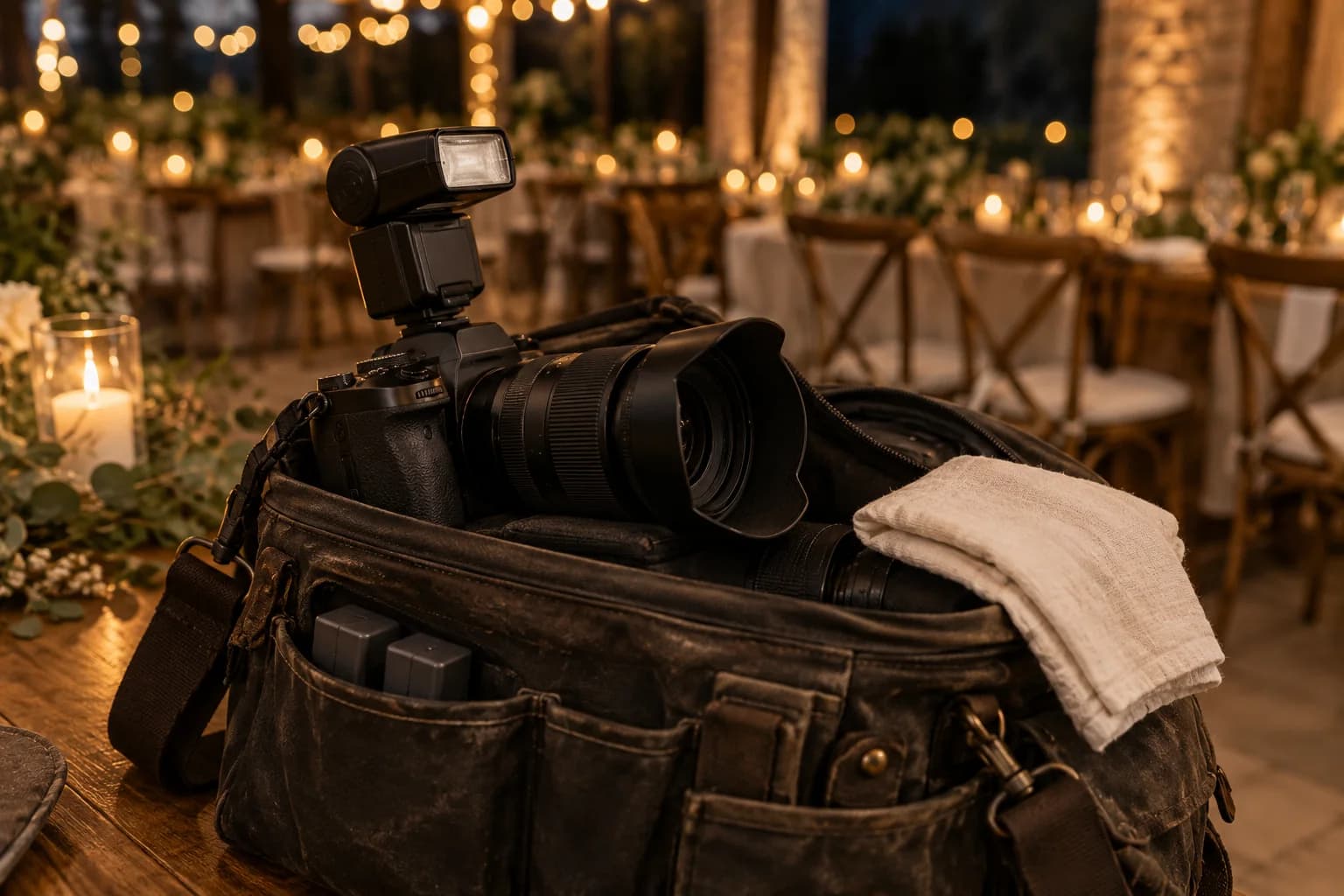
I get it. I really do. Your guests love you. They want to remember this. But here's the thing they don't realize: you hired a professional photographer specifically to capture these moments. With a real camera. With proper lenses. With years of experience knowing exactly where to stand and when to click.
Your guests' phone photos are going to be blurry, poorly lit, shot from a bad angle, and — let's be honest — they're going to look at them once and never open them again.
Meanwhile, those same guests just body-blocked the professional photos you're actually going to print, frame, and put in an album.
It's like hiring a chef to cater your wedding and then having guests bring hot plates and start cooking in the corner. You already paid someone to do this. Let them do it.
What an Unplugged Ceremony Actually Means
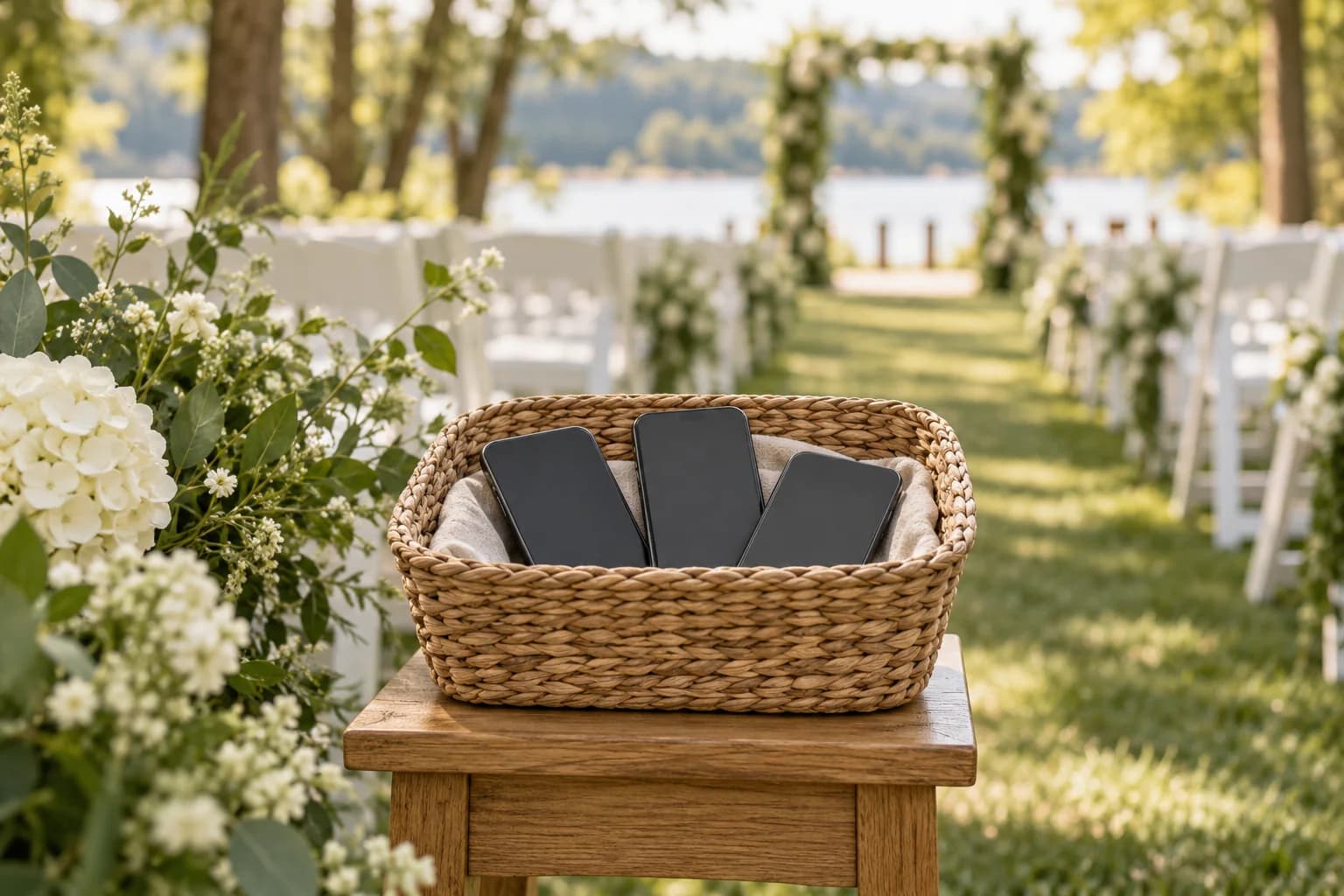
An unplugged ceremony simply means asking guests to put away their phones, tablets, and cameras during the ceremony. That's it. Not the whole wedding — just the ceremony. Usually 20-30 minutes.
Nobody's asking them to lock their phones in a vault. They can take all the photos they want at the reception. They can snap selfies during cocktail hour. They can photograph their dinner plate for Instagram (we all do it, no judgment).
But for those 20-30 minutes while you're exchanging vows? Put the phone in your pocket. Be present. Watch with your eyes, not through a screen.
If you're curious about how to plan the rest of your day around getting great photos, check out our wedding day timeline guide — it covers everything from getting ready to the last dance.
How to Actually Make It Work
Here's what I've seen work (and not work) over 750+ weddings:
What Works
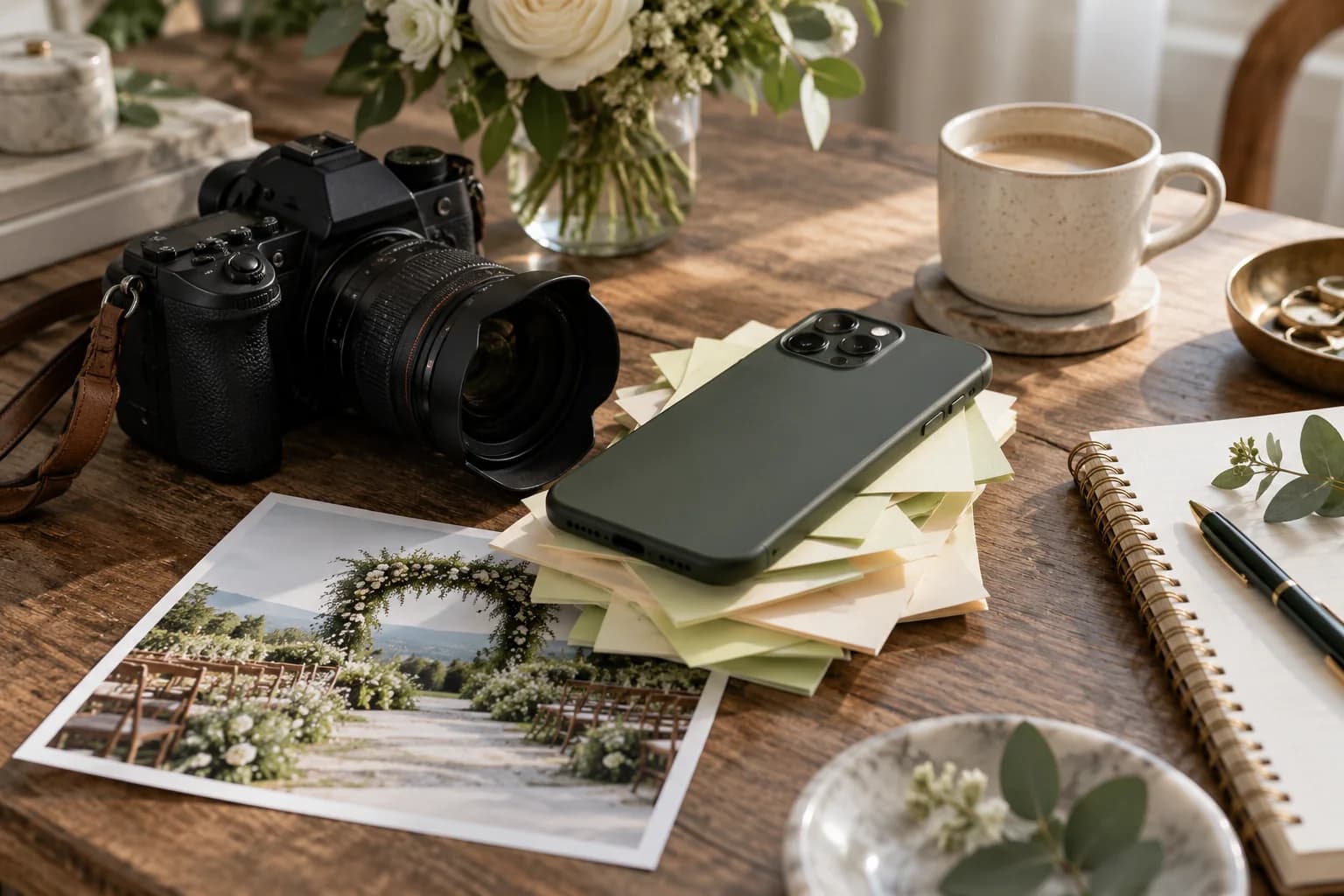
1. Put it on the program Add a simple line to your ceremony program: "We invite you to be fully present during our ceremony. Please turn off phones and cameras — our photographer has it covered!"
2. Have your officiant announce it The most effective method, hands down. Right before the ceremony starts, your officiant says something like: "The couple has asked that you put away your phones and cameras so you can be fully present for this moment. They've hired an incredible photographer who will capture everything, and they'll be sharing photos with you after the wedding."
3. Put up a sign A simple sign at the entrance works surprisingly well. Something like "Welcome to our unplugged ceremony. Please turn off all phones and cameras and enjoy this moment with us."
4. Have your wedding party spread the word Bridesmaids and groomsmen can casually mention it to guests before the ceremony. "Hey, just so you know, they're doing an unplugged ceremony — phones away during the ceremony."
What Doesn't Work
Hoping people will just... not do it. They will do it. Every time.
Announcing it and then not enforcing it. If Grandma still has her phone out, your wedding coordinator or a groomsman should gently remind her.
Being passive-aggressive about it. "We'd PREFER if you didn't..." means nothing. Be clear and direct. People respect it more than you think.
Only telling some people. Tell everyone. Put it everywhere. Program, sign, officiant, word of mouth. Belt and suspenders.
"But What About Grandma Who Couldn't Make It?"
This is the one objection I hear most. Someone important couldn't be there and wants to watch on FaceTime.
Here's my suggestion: designate ONE person — maybe your wedding coordinator or a trusted friend who isn't in the wedding party — to set up a single device on a tripod in the back. One camera. One angle. Not in the way.
Or better yet, look into live streaming options for your wedding. There are actual solutions for this that don't involve your guests becoming amateur videographers.
The Results Speak for Themselves
I've shot unplugged ceremonies and non-unplugged ceremonies, and the difference in photos is night and day. When phones are away:
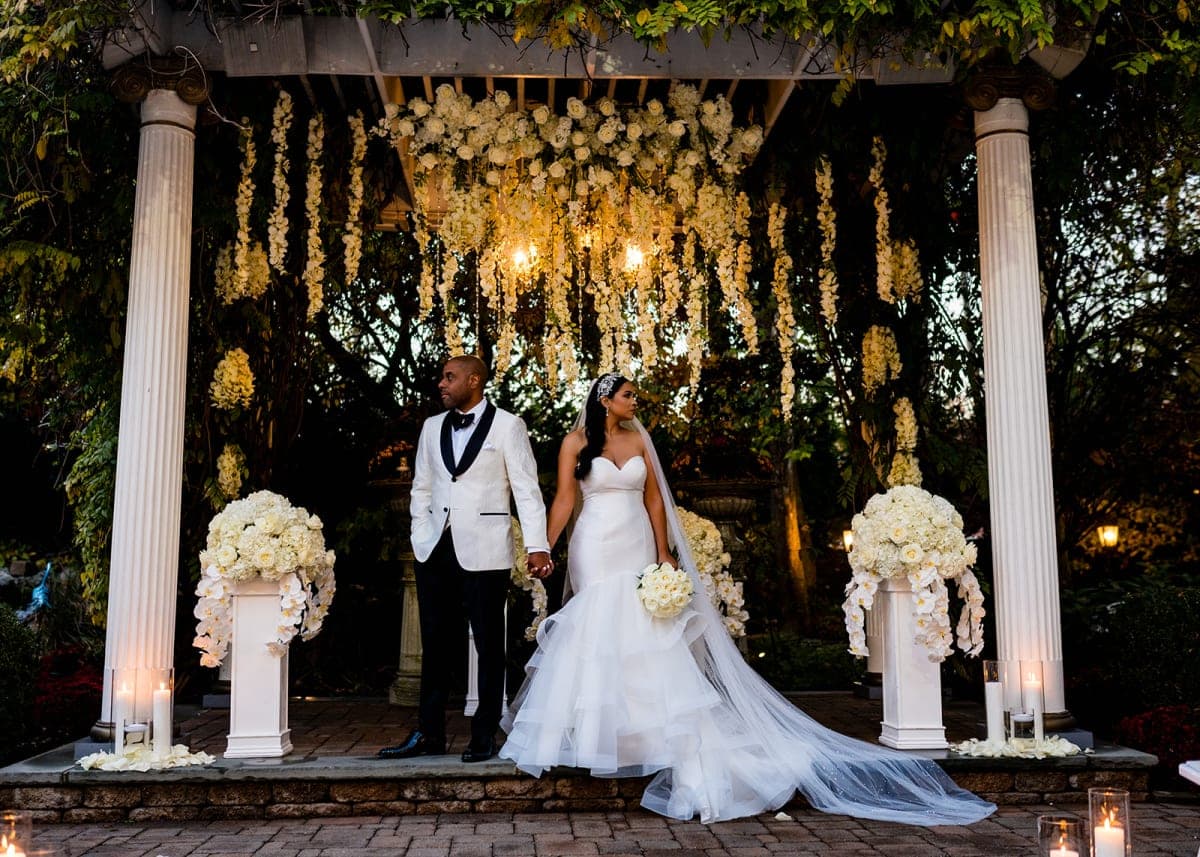
- Guest faces are visible — they're looking at you, smiling, maybe crying (the good crying)
- The aisle is clear — no arms, no phones, no glowing screens
- The moment is pure — no one's posing for their own photo, no one's checking if they got a good shot
- Your photographer can move freely — I'm not dodging someone's outstretched arm to get the shot
But honestly? The biggest difference isn't even in the photos. It's in the experience.
Every couple I've worked with who did an unplugged ceremony says the same thing: "It felt different. It felt like everyone was actually there with us."
Because they were.
What About the Reception?
Go wild. Seriously. Phones out, boomerangs of the bouquet toss, Stories of the dance floor, TikToks of the cake cutting — all of it. I don't care. At that point, the must-have moments are covered, the light is usually artificial anyway, and honestly, those guest phone videos from the dance floor are hilarious.
The ceremony is sacred. The reception is a party. Different rules.
The Script You Can Steal
If you're not sure how to word your unplugged ceremony announcement, here's what I've seen work best. Feel free to steal it:
"Before we begin, [Couple's names] have a small request. They've asked that you put away all phones, cameras, and recording devices during the ceremony. They want you to be fully present for this moment — to see it with your eyes, feel it with your heart, and trust that their amazing photographer is capturing every second. You'll have access to all the professional photos after the wedding. Thank you for being here and for being present."
Short, sweet, and it works every single time.
Final Thought
Look, I know this might feel awkward to ask. You might worry about offending someone or seeming controlling. But in 14 years of doing this, I have never — not once — had a couple regret going unplugged.
I have had couples regret NOT doing it.
Your wedding ceremony is one of the most important moments of your life. You deserve to have it captured beautifully by someone who knows what they're doing. And your guests deserve to actually experience it instead of watching it through a phone screen.
Put the phones away. You'll thank me later.
Planning your wedding and want to make sure your photos turn out amazing? Start with our guide on how to choose the right wedding photographer, then check out our essential photography tips for couples for everything else you need to know.