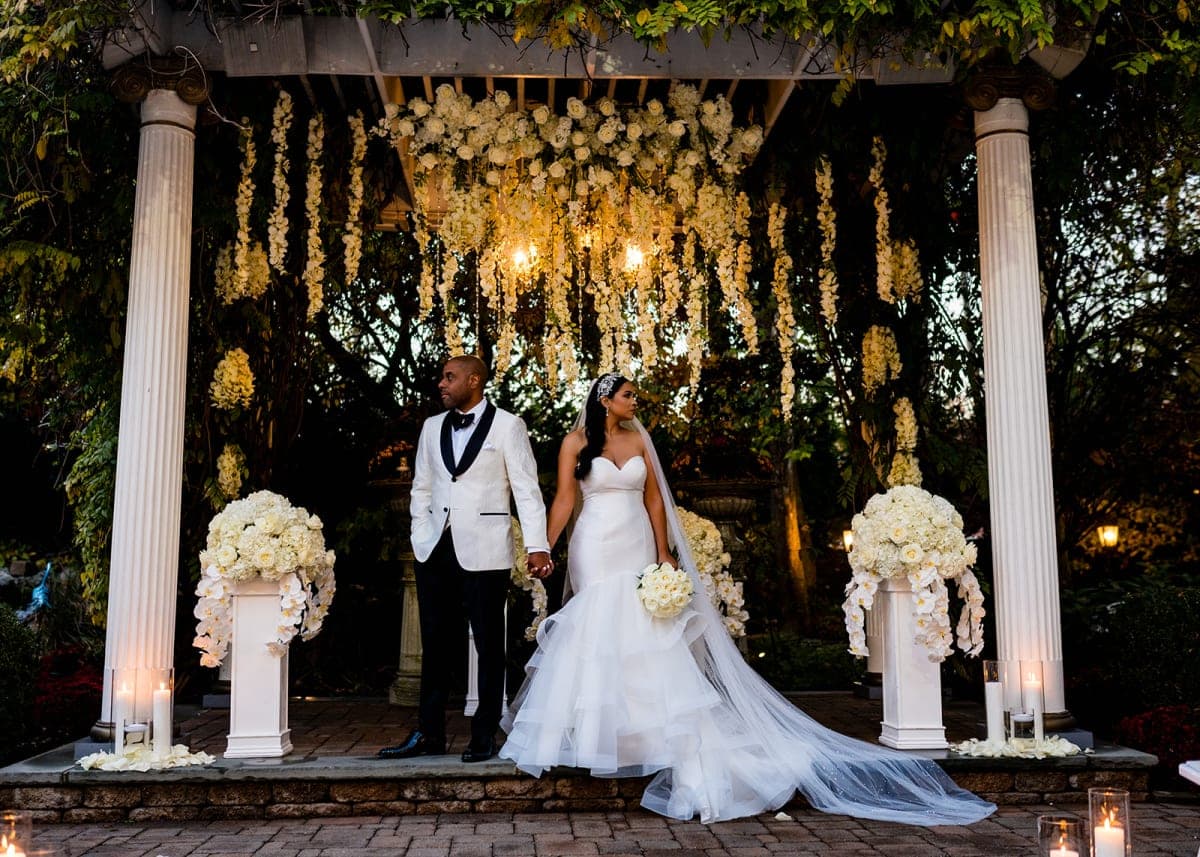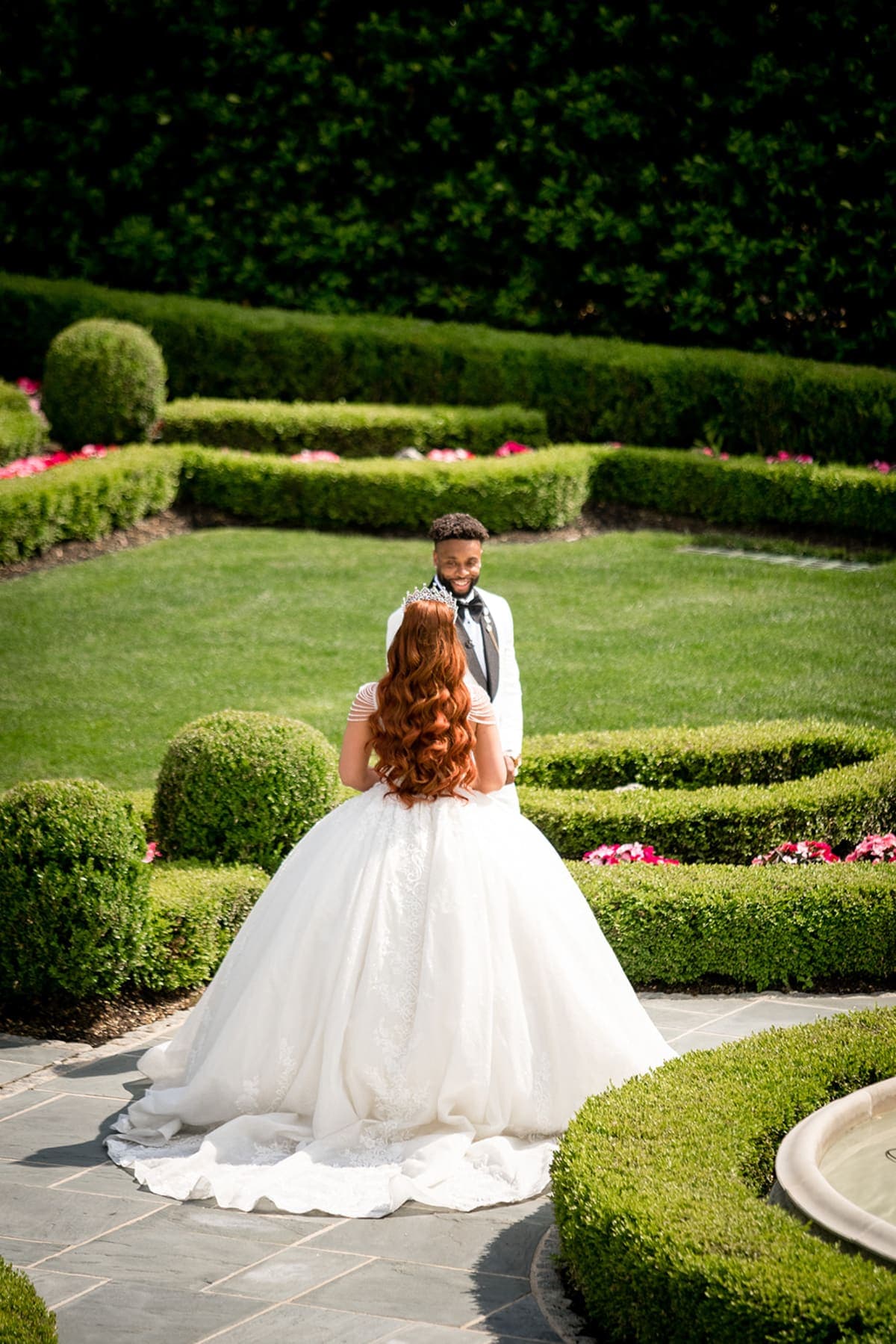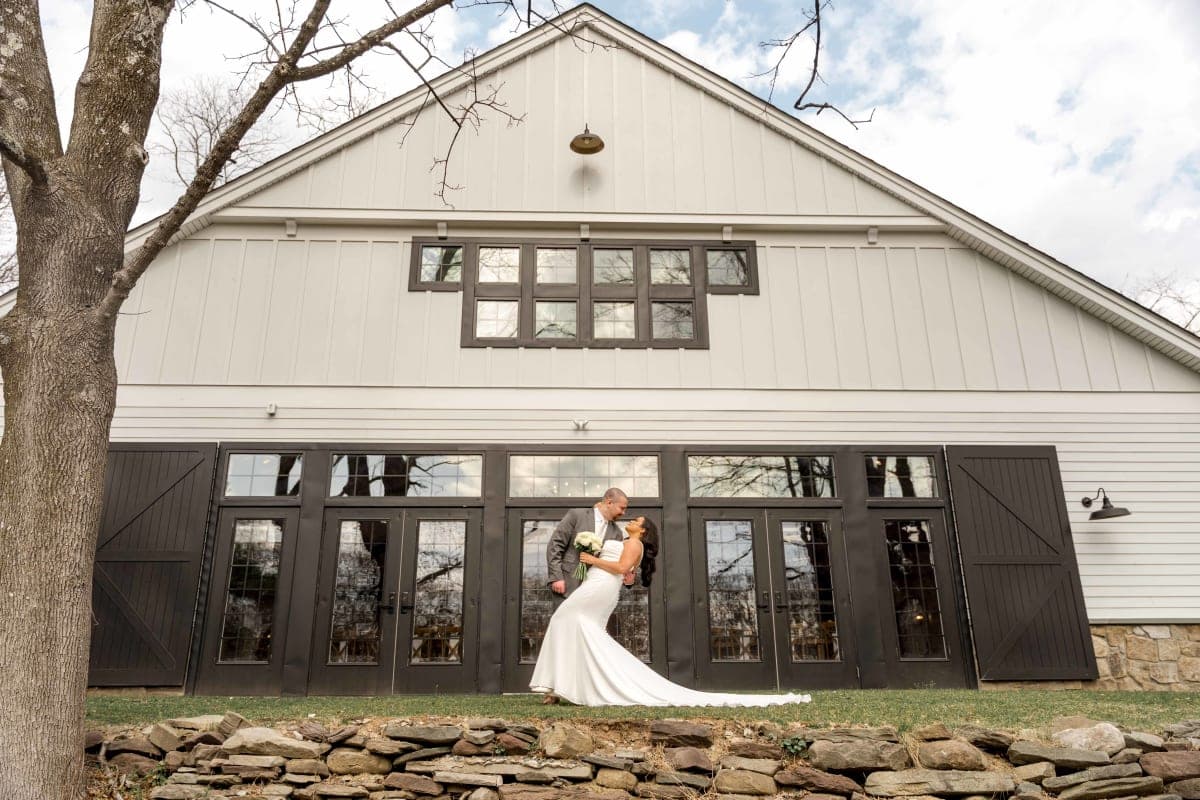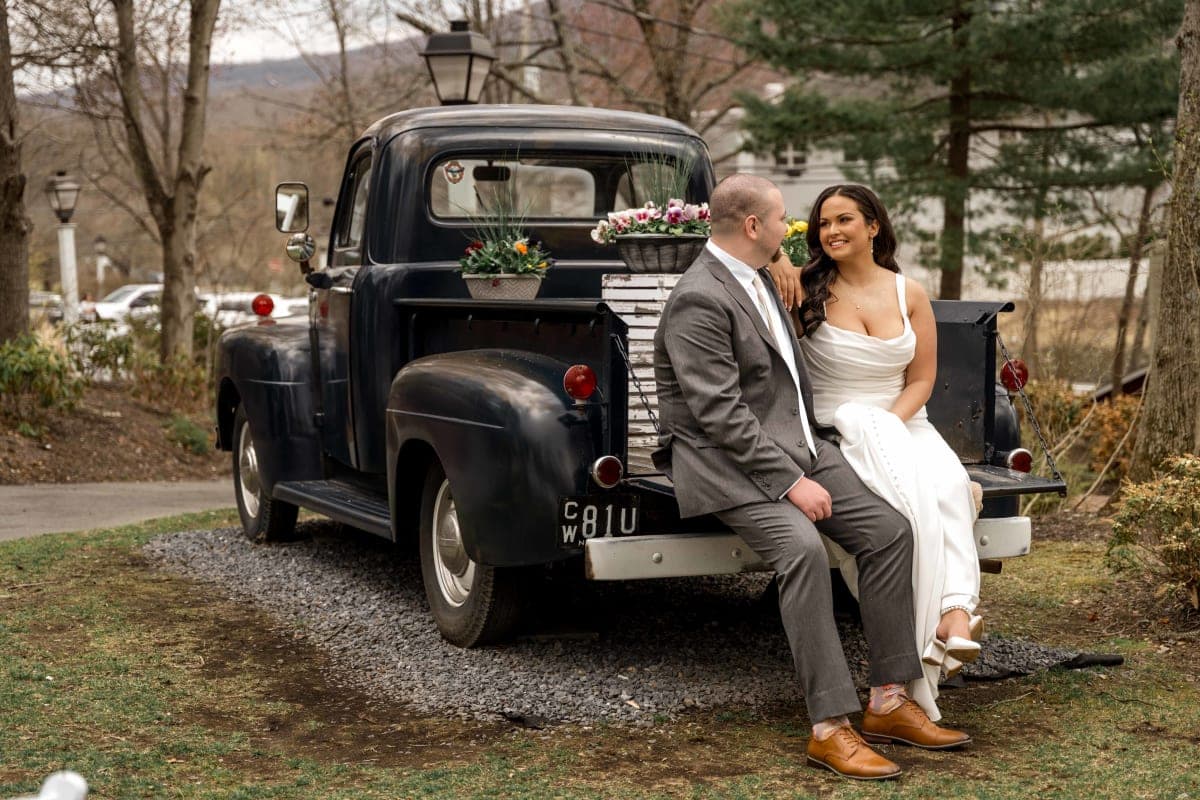
Every wedding photographer's website says something like "timeless, candid, editorial" or "fine art documentary storytelling." Which tells you absolutely nothing.
Let me actually explain what the different wedding photography styles mean, what they look like in practice, and how to figure out which one you want. I've been shooting weddings in New Jersey for 14 years and I've seen every style, worked alongside photographers of every approach, and delivered over 750 wedding galleries. Here's the honest breakdown.
The Main Styles
Documentary / Photojournalistic
What it means: The photographer observes and captures what happens naturally. Minimal posing, minimal direction. They're telling the story of your day as it unfolds.
What it looks like in practice:
- Lots of candid moments — laughter, tears, surprised reactions
- Real interactions between people, not staged ones
- The photographer stays in the background
- Getting-ready chaos, ceremony emotions, dance floor madness
- Fewer formal portraits, more "caught in the moment" shots
The upside: Your photos feel authentic. When you look at them, you remember how the day actually felt, not how you posed.
The downside: If you want lots of Pinterest-style posed portraits, a purely documentary photographer won't deliver that. You also might not love every candid — real moments include awkward faces.
Best for: Couples who hate being the center of attention, who value real emotions over perfect poses, and who trust their photographer to find the moments.
Traditional / Classic
What it means: Structured, posed photography with an emphasis on formal portraits and key moments. Think of your parents' wedding album.
What it looks like in practice:
- Formal family groupings (the big list of combinations)
- Posed couple portraits with classic compositions
- Every key moment captured predictably (ring exchange, first kiss, cake cutting)
- Clean, well-lit, technically polished images
- Everyone looking at the camera, everyone smiling
The upside: You're guaranteed photos of every important person and every important moment. Grandma will be happy. Your family portrait wall is covered.
The downside: It can feel stiff. The photos may not capture the energy or emotion of the day. You might end up with 400 photos where everyone is standing in a line smiling.
Best for: Couples with large families who need formal group shots, culturally traditional weddings, and anyone who values reliability over artistry.
Fine Art / Editorial
What it means: Highly stylized photography that treats your wedding like a magazine shoot. Strong emphasis on aesthetics, composition, and a curated look.
What it looks like in practice:
- Dramatic lighting and composition
- Fashion-influenced posing
- Heavy emphasis on details (invitation suites, table settings, florals)
- A very specific editing style (often light and airy, or dark and moody)
- The photographer may rearrange details, direct poses, and control scenes
The upside: Your photos look like they belong in a bridal magazine. Every image is a piece of art.
The downside: It takes time. Fine art photography requires more direction, more setup, and more time allocated in your timeline for posed images. It can also feel less authentic — you're modeling, not just living your day.
Best for: Couples who care deeply about aesthetics, want their wedding to look editorial, and are comfortable with direction and posing.
Lifestyle / Blend
What it means: A mix of documentary and traditional. The photographer captures candid moments but also directs portraits and family formals. This is where most modern wedding photographers (including me) fall.
What it looks like in practice:
- Candid coverage of getting ready, ceremony, and reception
- Directed but natural-looking couple portraits (I'll tell you where to walk, how to hold each other, but the expressions and interactions are real)
- Efficient family formals (I have a system — it takes 15 minutes, not 45)
- Detail shots of rings, flowers, invitations, shoes
- Dance floor chaos captured without flash blinding everyone
The upside: You get the best of both worlds. Real moments plus reliable formal coverage. Your gallery feels authentic but complete.
The downside: It's not as purely artistic as fine art or as raw as documentary. If you want an extreme in either direction, a blend won't get you there.
Best for: Most couples. Seriously. This is the style that satisfies the widest range of needs.
Editing Styles (The Other Half of the Equation)
Photography style is about what and how you shoot. Editing style is about how the photos look after processing. These are separate decisions.
Light & Airy
Bright, soft, often slightly overexposed. Whites are very white. Shadows are lifted. The overall feel is dreamy and romantic.
Looks great for: Garden weddings, spring/summer, bright venues, pastel color palettes.
Looks less great for: Moody venues, dark color palettes, evening receptions. Lifting shadows in a dimly lit ballroom can make photos look washed out.
Dark & Moody
Rich, deep tones. Shadows stay dark. Colors are saturated. The overall feel is dramatic and cinematic.
Looks great for: Fall/winter weddings, industrial venues, dark color palettes, evening events.
Looks less great for: Bright outdoor weddings where the mood is light and fun. Making a sunny garden party look like a film noir feels weird.
True-to-Life / Natural
Accurate colors, balanced exposure, minimal stylistic manipulation. What you saw with your eyes is what you see in the photos.
This is my approach. I correct the light and color to make everything look its best, but I'm not pushing an extreme aesthetic. Your burgundy bridesmaid dresses look burgundy, not orange or brown. Your skin looks like your skin, not porcelain.
The reason I shoot this way: trends change. Light and airy was everywhere in 2018. Dark and moody peaked around 2020. True-to-life doesn't date itself. Your photos will look as natural in 20 years as they do today.
Heavily Edited / Preset-Heavy
Some photographers use strong presets or filters that give all their work a very specific look — orange-and-teal color grading, desaturated pastels, film emulation. Scroll their Instagram and every image has the exact same color feel.
The risk: If their editing style goes out of fashion (and it will), your wedding photos go with it. Remember the sepia-toned era? Exactly.
How to Figure Out What You Want
Step 1: Look at Full Galleries, Not Portfolios
A photographer's website shows their 50 best images. A full gallery shows their 500 delivered images. The portfolio tells you their ceiling. The gallery tells you their floor.
Ask to see 2–3 complete wedding galleries. If a photographer won't show them, that's a red flag.
Step 2: Pay Attention to What You Feel
Don't overthink the technical labels. Scroll through a photographer's work and notice your gut reaction:
- "These feel real" → You want documentary/lifestyle
- "These are gorgeous but look like a lot of posing" → You want editorial/fine art
- "I want all the family photos plus the fun stuff" → You want a blend
Step 3: Look at Similar Weddings
Find a photographer who's shot weddings at your venue, in your season, with your approximate vibe. That's more useful than style labels. A photographer who's shot 10 weddings at your venue knows the light, the best spots, and the timing — that matters more than whether they call themselves "fine art" or "documentary."
Step 4: Talk to Them
A 15-minute phone call or consultation tells you more than an hour on their website. Ask them to describe how they approach a wedding day. Their answer will tell you immediately if their style matches what you want.
The Questions That Actually Matter
Instead of "what's your style?" ask:
- "How much of the day do you direct vs. let happen?" This reveals where they fall on the documentary-to-traditional spectrum.
- "How do you handle family formals?" If they say "I have a system and keep it efficient," great. If they shrug, your cocktail hour is going to disappear.
- "What does your editing process look like?" You want to hear about consistency. Every image should look like it belongs in the same gallery.
- "Can I see a full gallery from a wedding similar to mine?" This is the only way to actually evaluate their work.
The Bottom Line
Don't get caught up in style labels. Every photographer defines them differently, and most working professionals are some blend of approaches.
What matters is: do you like their photos? Do they feel like what you want your wedding to look like? Can they show you consistent results across multiple full galleries?
I shoot a blend of documentary and directed portraiture. My editing is true-to-life. I capture what happens naturally and step in to direct when it matters — especially for portraits, family formals, and golden hour shots. Over 750 weddings, that approach has worked for every type of couple and every type of wedding.
Want to see what that actually looks like? Check out my portfolio or reach out — I'll send you a few full galleries from weddings similar to yours so you can see the real deal.